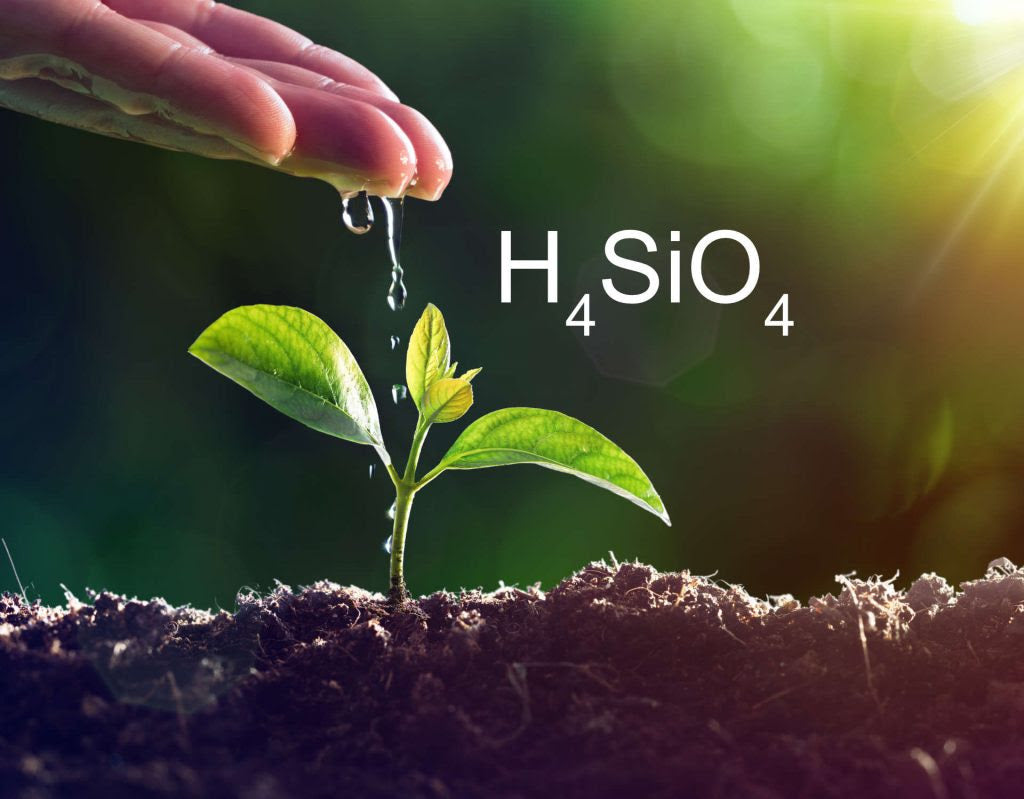
Silica, the basis for plant life
Silicon (Si) is the second most abundant element on the Earth's crust, after Oxygen. Present in almost all minerals in a non-bioavailable form, it does not exist naturally in the free state, it is generally found in the form of silicon dioxide and in complex silicates. Silicon-containing minerals make up about 40% of common minerals, including more than 90% of the minerals that make up volcanic rocks. It is absorbed by plants as monosilic acid Si(OH)4, mainly monocotyledons, and no absorption is reported in dicotyledons, with the exception of the Urticaceae and Cucurbitaceae families. It is absorbed at levels equal to or higher than essential nutrients, such as nitrogen and potassium, in certain plants such as rice and sugar cane, and is therefore considered essential for the sustainable production of these crops. It exists in all cultivated plants and its content in plant tissues varies from 0.1 to 10%.
A minor element?
It is not included in the list of essential nutrients. However, as we have seen, boron activates the biochemical sequence of nutrient absorption by stimulating the root to exude sugars into the rhizosphere, which feeds the microbes, which transform the silicates into silicic acid, which improves calcium absorption, and so on until completing the process with all the other nutrients. It is deposited in the form of amorphous silica in cell walls and intercellular spaces, acting on the vertical axis of growth - elongation, resistance and flexibility - a good example are grasses (rice, bamboo, grasses), and consequently providing protection against diseases and insects:
Benefits
It helps in the formation of a strong and healthy conductive tissue, facilitating the transport of all the nutrients, vitamins, sugars, amino acids, etc. to the places where the plant needs them.
It strengthens the plants, gives resistance to their fall and improves their stature, which leads to an advantageous exposure of the leaves to light.
Improves resistance to biotic and abiotic stress: tolerance to drought and heat or cold stress.
Improves tolerance to heavy metals, reducing the toxicity caused by them (Al, Cu, Mn, etc.).
By creating a mechanical (armor-like) barrier on the stems and leaves, it reduces disease infection and hinders the activity of sucking and chewing insects such as aphids and worms. Decreasing the activity of these insects could also help prevent the spread of viral diseases that could be transmitted by them.
It is postulated that Si may play a role in transporting disease-fighting phenolic compounds to sites of infection.
It also helps to control the chemical and biological properties of the soil:
Reduced leaching of phosphorus (P) and potassium (K).
Reduced mobility of aluminum (Al), iron (Fe), manganese (Mn) and heavy metals.
Improvement of microbial activity.
Greater stability of soil organic matter.
Soil texture improvement.
Improved water retention capacity.
Greater stability against soil erosion.
Increased cation exchange capacity (CEC).
In short, all this leads to healthier and stronger plants, with greater development of their aerial parts (stems, inflorescences, etc.) and roots, resulting in higher yields and better quality.
We put at your disposal the nutritional supplements from General Hydroponics ARMOR SI, Botanicare SILICA BLAST, PROTEKT from Dynagro, VITALIZE from Mills and RHINO SKIN from Advanced Nutrients to incorporate Silica into your fertilization program.
If you got here, excellent, I send you many greetings and thanks for reading!
Sincerely,
Renee